By Ahmed Abuswa | Modonix.com
Running an e-commerce business means living with seasonal swings. Whether you’re prepping for Q4 holiday surges, back-to-school spikes, or slower summer months, cash flow planning can be the difference between growth and collapse. At Modonix, we’ve lived these cycles firsthand and helped other brands do the same.
Here’s how to think about e-commerce seasonality from a cash flow lens, and how to plan smarter to not just survive the swings—but thrive through them.
🌐 Understand Your Seasonal Curve (Not Just Sales Trends)
Every brand has a unique sales cycle. Some peak in Q4, others in spring, some even around niche events. But sales seasonality doesn’t always match cash flow seasonality.
Why?
-
Inventory is bought before sales hit
-
Ad spend ramps up before revenue lands
-
Return windows linger after the spike
So, while your sales graph may look healthy in November and December, your cash flow may be negative until January or February.
✅ Action Step:
Map your last 12–18 months by:
Use this to build a rolling cash flow model for the next 6–12 months.
💳 Create a Seasonal Budget (Not Just Annual)
Annual budgets are useful, but e-commerce moves too fast for high-level planning alone. You need a seasonal budget broken down by month or campaign cycle.
Include:
-
Forecasted revenue (by channel/SKU)
-
Expected COGS (with lead times)
-
Marketing spend (by channel)
-
Fulfillment and warehouse costs
-
Reserve for returns and delays
-
Cash runway after expenses
✅ Pro Tip:
Add a column for “worst-case” revenue to model downside scenarios. This prevents over-ordering or over-spending when traffic doesn’t convert.
🚚 Inventory Timing = Cash Flow Timing
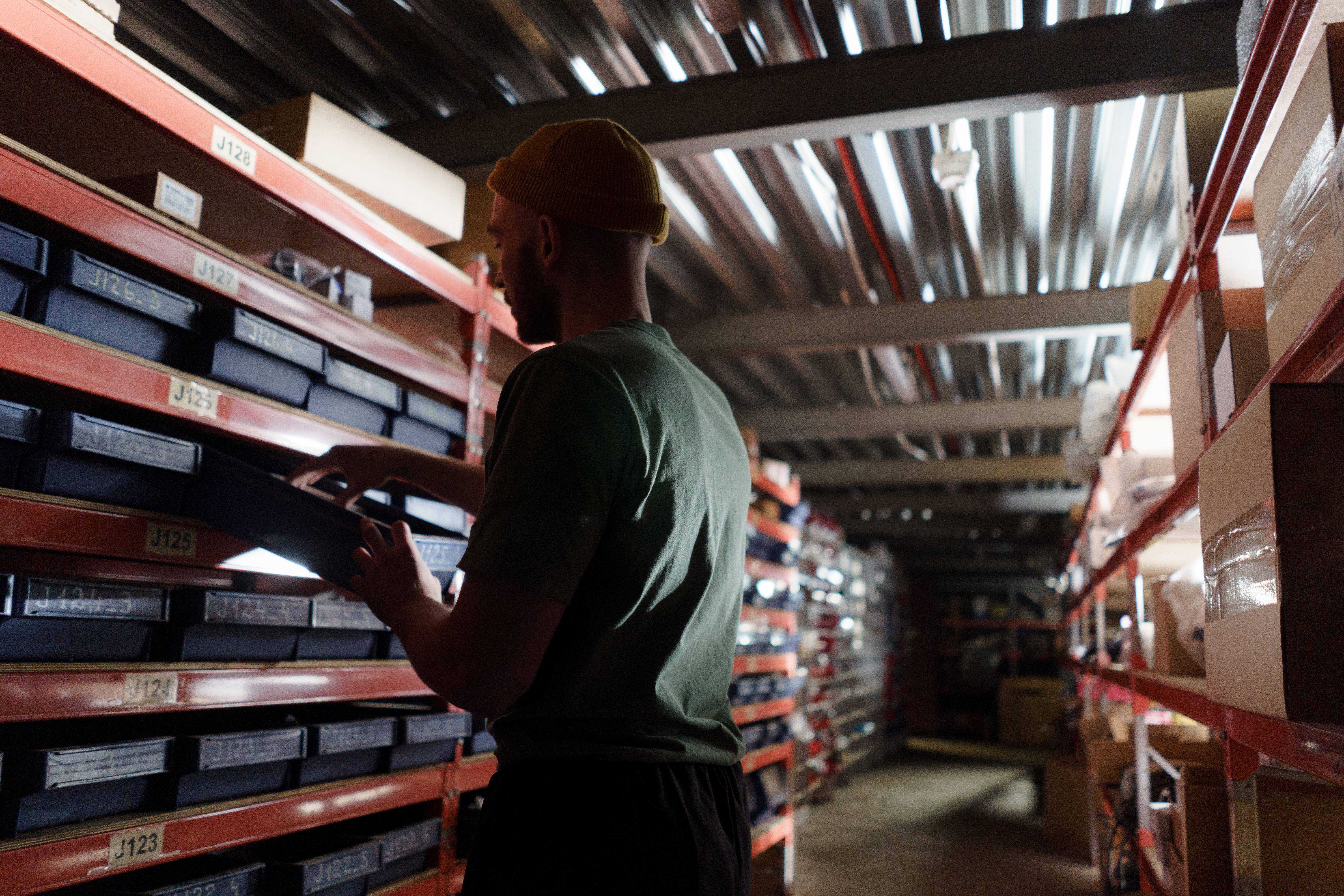
One of the most overlooked mistakes in e-commerce is misaligned inventory purchasing.
You might be profitable on paper, but if all your cash is tied up in Q4 stock by October, you’ll be cash-starved heading into the holidays.
✅ Fix This:
-
Negotiate better payment terms with suppliers
-
Split shipments (air + sea) to spread payments
-
Use 3PLs with flexible receiving and billing
-
Use inventory financing or short-term working capital if needed—but plan ahead
At Modonix, we often help clients build “inventory flow maps” alongside cash flow plans to sync ordering, payment, and expected sales.
⚡️ Ad Spend Surges Can Drain You
Another silent killer? Ads.
During seasonal ramps, ad spend often increases 2–4x. But the return on that spend can lag by days or weeks depending on conversion windows, fulfillment, and customer behavior.
✅ Solutions:
-
Use performance-based ad spend scaling (tie spend to ROAS + cash recovery timeline)
-
Monitor CAC payback period weekly during spikes
-
Set hard daily caps during peak if cash is tight
-
Reserve part of your budget for post-holiday retargeting (returns = new customers)
🤝 Your Bank Balance Is Not Your Budget
Just because you have $80K in the account doesn’t mean it’s free to spend.
It might be:
-
Committed to inventory already in transit
-
Needed for upcoming ad campaigns
-
About to shrink from refunds or returns
✅ Use a Cash Allocation Model:
Break your bank balance into categories:
-
Committed
-
Available
-
Safety buffer
Tools like Float, Runway, or even a good Google Sheet can help you stay honest.
✅ Final Thoughts: Profit Doesn’t Equal Liquidity
At Modonix, we say this often: you can be profitable and still run out of cash.
That’s why we help e-commerce founders build cash flow models tailored to their business—not just off-the-shelf reports. Seasonality is only a threat if you don’t plan for it.
Want help building yours? Visit WWW.Modonix.com and let’s plan ahead together.